Cool Kerosene Fans
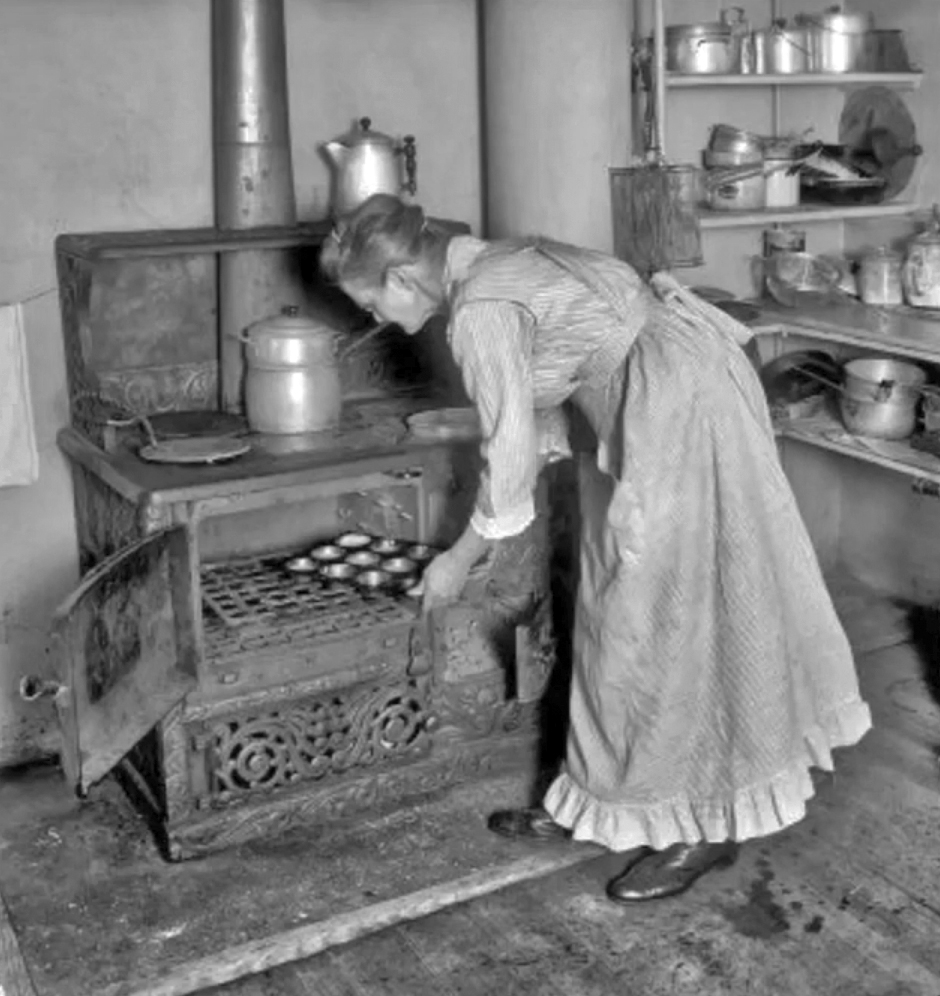
Kerosene-fueled fans once cooled rural America alongside kerosene lamps, stoves, flatirons, and ice makers.
When most Americans could only afford illumination by candles early in the 20th century, kerosene brought light as an inexpensive lamp fuel, significantly impacting daily life before electricity. But often overlooked is the role of kerosene in powering appliances in rural American households and in remote parts of the world.
In 1910, the U.S. Census Bureau established 2,500 as the population threshold to be counted as urban. Many of the new, fast-growing cities already offered technologies like manufactured “city gas” (see History of Con Edison) and electricity.
As America’s urban population centers grew, they provided infrastructure-dependent utilities the abundance of proximate consumers needed to be profitable. By 1920, city dwellers outnumbered the rural population, where farmers and small towns continued to depend on kerosene (see Camphene to Kerosene Lamps). Across these scattered communities, kerosene lamps would continue burning for decades as electric lights remained only a distant possibility. (more…)